

How to Trade Futures

How Do I Get Started With Futures Trading?

Futures trading gives active traders access to regulated, exchange-listed markets with standardized contracts and transparent pricing. For many German traders familiar with leveraged products, futures can offer a structured alternative within a centrally cleared marketplace. 

If you want to start trading futures, focus on three core areas: 

  • How the market works
  • How orders are placed
  • How risk is managed

Let’s walk through the essentials step by step. 

The Fundamentals Of How To Trade Futures

Before placing your first trade, understand how futures markets are structured. Each contract is standardized and traded on a regulated exchange, creating a centralized and transparent environment. 

Knowing exactly what you are trading—and under which contract specifications—can help you make informed, risk-aware decisions from day one.

bars and sliders

How to place your first futures order

There are two basic order actions in futures trading:

  • Buy (long position)
  • Sell (short position)

When you submit an order, it is routed directly to the relevant futures exchange for execution.

Before entering the market, define your:

  • Order price
  • Order type

These two decisions determine how and when your trade may be executed.

drawing of a contract

Order types

Choosing the right order type is a key step in learning how to trade futures. The three most common types are:

  • Market orders: Executed at the best available price
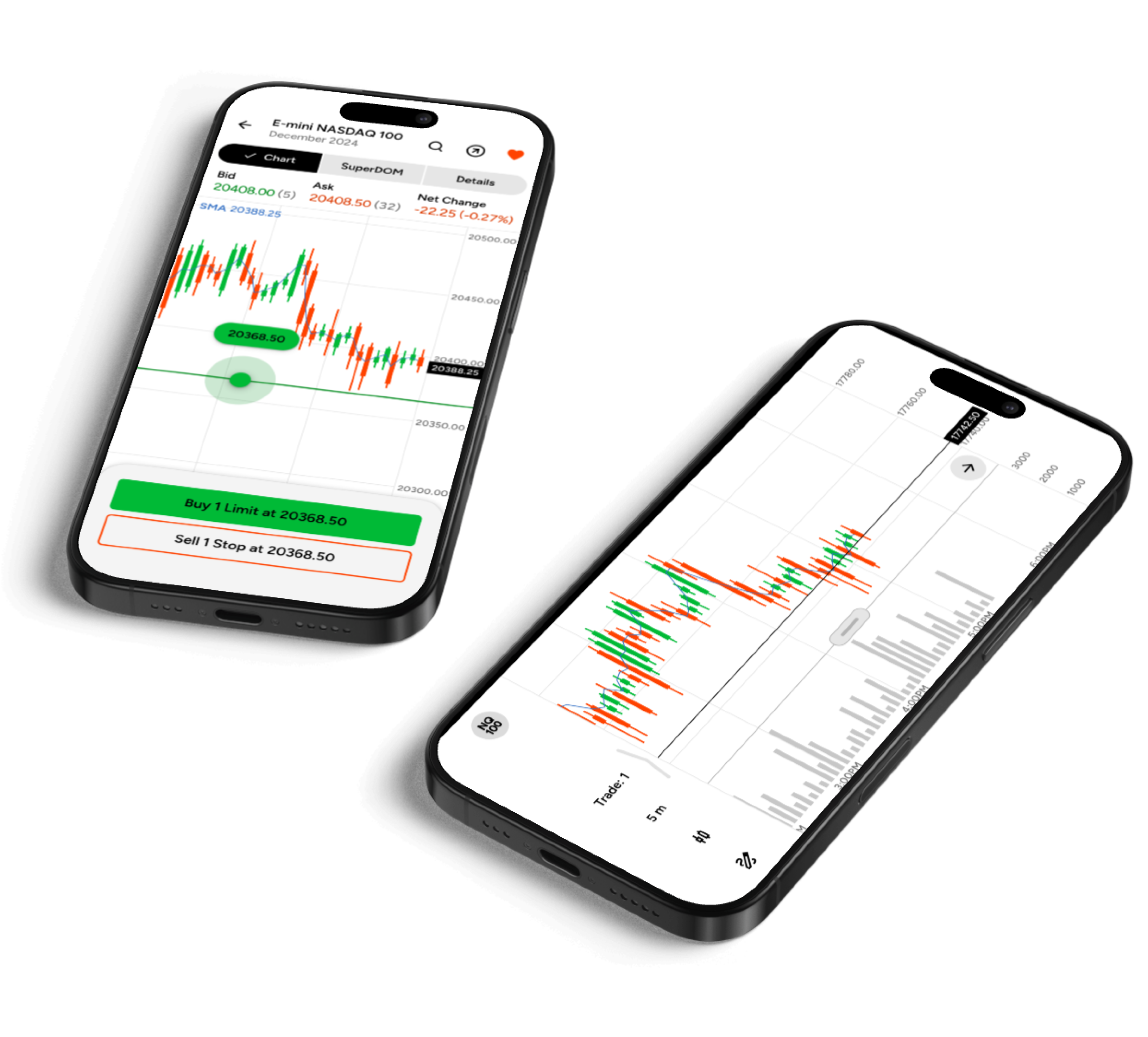
  • Limit orders: Filled only at a specified price or better
  • Stop orders: Triggered once a defined price level is reached

Using the appropriate order type can help you structure entries and exits in line with your trading strategy.

Dollar sign with up and down arrows next to it

Contract specifications

Every futures contract has exchange-defined specifications. These typically include:

  • Contract size
  • Tick size
  • Tick value
  • Expiration month

Equity index futures, commodities, and crypto futures all differ in structure and volatility. Reviewing contract specifications before trading can help you align your position size with your account size and risk tolerance.

Curved line with dots at each end

Margin in futures

Margin is the initial capital required to open a futures position. It serves as a good-faith deposit rather than payment for the full contract value.

Because futures are leveraged instruments, price movements can have an amplified effect on your account. Understanding both initial and maintenance margin requirements is essential—especially for beginning futures traders.

Futures symbology

Each futures contract is identified by a standardized symbol made up of:

  • Root symbol (underlying market)
  • Expiration month code
  • Expiration year

Recognizing futures symbology can help you select the correct contract and avoid execution errors.

A clear grasp of these fundamentals provides a structured starting point. When you understand how contracts function and how orders are processed, you are better prepared to participate in the futures markets.

Futures Trading Basics

Build a futures trading plan to start your journey

Starting futures trading without a plan often leads to inconsistent decisions. A written trading plan can create structure and help you evaluate opportunities systematically rather than emotionally.

Your trading plan should reflect your:

  • Financial objectives
  • Available trading time
  • Personal risk tolerance
Structure first, execution second.

Tips to create your first futures trading plan

A well-defined trading plan can help you stay disciplined during volatile market conditions. It also gives you a framework to review and refine your performance over time.

Your futures trading plan should outline:

  • The markets you intend to trade
  • Your trading strategy with clear entry and exit criteria
  • A defined risk management structure (e.g., maximum risk per trade)
  • Rules for trade review and performance evaluation

Documenting your approach can support consistency as you begin to start trading futures more actively.
Find the futures contracts right for you

A futures contract is an agreement to buy or sell an asset at a predetermined price on a specified future date.

Contracts are available across:

  • Equity indices
  • Energy markets
  • Metals
  • Agricultural products
  • Interest rates

Many futures markets offer deep liquidity and extended trading hours during the week. With standardized pricing and centralized clearing, futures can complement existing trading strategies.

Define your risk management strategy to protect your futures account

Effective risk management is central to long-term participation in futures trading.

Key considerations include:

  • Appropriate position sizing
  • Total account exposure
  • Use of stop-loss and take-profit orders
  • Diversification across markets

Structured risk controls can help you manage volatility, particularly during periods influenced by economic data or geopolitical events.

Discipline and patience impact your ability to follow a trading plan

Psychology plays a significant role in trading outcomes. Markets move quickly, and impulsive decisions can undermine even well-designed strategies.

Developing a structured, process-driven mindset can help you follow your trading plan consistently. Over time, discipline can become just as important as technical analysis when learning how to trade futures.

A written plan combined with consistent execution creates a framework you can review, measure, and improve.

Use NinjaTrader platform tools to support your futures trading

Modern futures trading relies on efficient technology. The right platform influences how you analyze price action, manage risk, and execute trades.

NinjaTrader provides professional-grade tools designed for traders who value transparency, control, and cost efficiency.


Open Account

Platform features that can help you trade futures

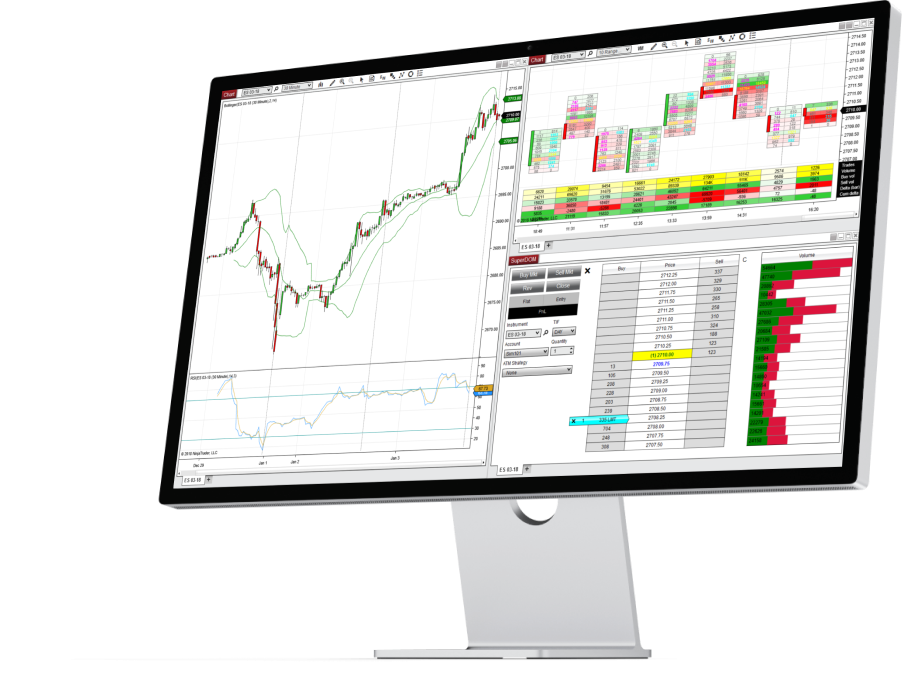
NinjaTrader’s platform includes integrated tools to support your workflow:

  • Create charts and place trades directly with the Chart Trader
  • Use the SuperDOM to view ladder-style market depth
  • Save and load personalized workspaces
  • Access educational videos and livestreams focused on how to trade futures

Whether you are exploring futures trading for beginners or refining advanced strategies, structured tools and real-time market data can help you react to changing market conditions.

If you are ready to start trading futures, combining exchange-listed products, transparent pricing, and a professional platform can provide a structured path forward.

Open Account