NinjaTrader was recognized as the “Best Broker for Trading Silver (SI) Futures in the United States” by BrokerChooser for 2026 and 2025.*
What are silver futures?
Silver futures allow you to trade on the price and future performance of silver. As a more efficient alternative to trading silver coins or bullion, silver futures can help diversify your trading portfolio.
Silver is highly prized for its utility and durability and is essential in a wide range of manufacturing processes including electronics, medicine, automotive, fine jewelry, and art. These uses, along with its role as a storage of wealth, make silver futures an important instrument for traders worldwide.
Silver’s price is heavily influenced by its dual nature: It functions as a global industrial commodity (essential for electronics, EVs, and solar) and a monetary safe haven (often trading in correlation with gold). This dual role is key to understanding its price volatility and distinct market drivers. In periods of economic growth, industrial demand can push silver prices higher, while during financial uncertainty, its monetary role can cause it to appreciate alongside other precious metals as a store of value.
Read more to learn about:
- Why trade silver futures?
- Micro silver futures
- Who trades silver futures?
- What impacts the price of silver futures?
- Risks of trading silver futures
- Silver futures contract specifications
Why Trade Silver Futures?
Silver futures (contract symbol = SI) offer traders an opportunity to diversify their trading portfolios as silver is generally uncorrelated to equity and other futures markets. Benefits of trading silver futures include the ability to:

Capitalize on unique opportunities with nearly 24-hour trading

Participate in the silver marketplace in a capital-efficient way

Trade on a level playing field with transparent price and volume data

Go long and short easily with no restrictive day trading rules
Trading silver futures on a regulated exchange also grants traders greater transparency and better risk management than many over-the-counter options. This includes access to a central point of price discovery, public volume data, mitigation of counterparty credit risk, and crucial regulatory oversight from the CFTC.
Want to learn trading strategies? Check out our silver futures trading guide.
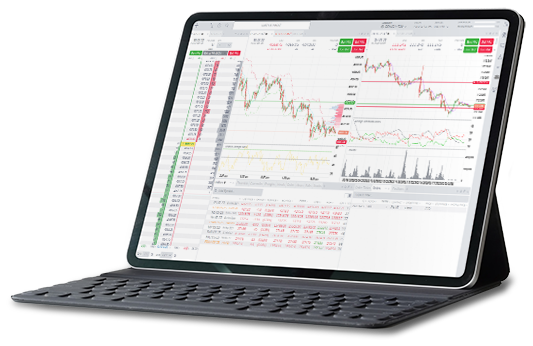
Trade Micro silver futures to reduce financial commitment
At 1/10th the size of standard silver futures contracts, Micro silver futures contracts allow traders to access dynamic markets with lower costs and reduced day trading margins. Other advantages of trading Micro silver contracts include:
- Increased flexibility to scale in and out of positions
- Ability to manage trade risk more precisely
- Highly leveraged instrument for more buying power
Leverage also increases the risk associated with futures trading and only risk capital should be used for trading.

Who trades silver futures?
Silver futures traders can be broken down into three main groups:
- Commercial traders typically trade futures to hedge the price of silver. For example, silver mining companies who trade futures are hedging known silver reserves that are yet to be mined. Commercial traders are also industrial companies that use large amounts of silver in the manufacturing process of jewelry, medicines, and electronics. Commercial traders will often take delivery of silver.
- Large professional speculators are typically commodity pool operators, proprietary trading firms, institutional investors, and hedge funds. These traders are purely speculating on the price movement of silver and generally do not take delivery or hold actual silver. Normally, commercial traders and large speculators make up 80% or more of the daily trading volume in silver futures.
- Self-directed retail traders make up the remaining daily trading volume in silver and like large speculators, rarely take actual delivery of silver, choosing instead to close their future contracts.
What impacts the price of silver futures?
Silver is a global market with several complex pricing dynamics that can be influenced by fundamental factors that can affect the price of silver both over the short and long term. Traders wanting to profit from price movements in the silver futures market should keep abreast of current economic news and events and have a good understanding of key fundamental pricing factors in the silver market.

Supply and Demand
A decrease in silver production due to labor disputes or higher energy costs can reduce supply, driving prices higher. Alternatively, improved recycling techniques, the liquidation of silver stockpiles, and reduced manufacturing and economic activity can all contribute to higher supply and lower demand, which can drive silver prices lower.

Geopolitical and Geoeconomic Factors
International conflicts, political instability, and other types of negative economic news can create uncertainty and drive silver prices higher as investors purchase silver to safeguard cash assets. Likewise, when the international economic environment is stable and growing, the demand for silver for industrial uses can increase, which can raise prices.

Intro To Technical Analysis
Learn to leverage technical analysis to target futures trading opportunities and identify trends using chart types, indicators and more.
Develop The Trader In You
Get started on your path to learn how to trade futures through our introductory video series outlining the first steps in your trading journey.
Risks of silver futures trading
Whereas physical silver is a passive investment, silver futures trading entails an active trading approach. It should only be taken on by traders who have researched the fundamentals, understand contract specifications, and have a detailed tested futures trading plan including a risk management strategy.
Like all futures contract, the primary risk of trading silver futures contracts is that the price will go against the trader’s position. Like most other physical commodities, supply and demand dynamics greatly influence the price and volatility of silver futures prices.
If you're new to silver futures investing, practicing in a futures trading simulator with live market data can help you prepare for market swings and test your strategy before trading with real money.**
**Simulated trading is hypothetical and does not reflect actual trading or real-world results.
Silver Futures Contract Specifications
Silver futures are standardized, exchange-traded contracts that represent 5,000 ounces of silver (standard contract), 1,000 ounces of silver (1/5 Micro contract), or 100 ounces of silver (1/50 standard contract).
Retail traders typically buy and sell silver futures contracts to speculate on whether the price will go up or down and typically do not want to take delivery of the physical silver. You can trade silver futures on the Chicago Mercantile Exchange (COMEX) on the electronic CME Globex system.
| Standard Silver Futures | Micro Silver Futures | 100oz Silver Futures | |
|---|---|---|---|
| Symbol | SI | SIL | SIC |
Exchange | COMEX CME Globex | COMEX CME Globex | COMEX CME Globex |
| Contract point value | 5,000 troy ounces | 1,000 troy ounces | 100 troy ounces |
| Minimum price fluctuation | .005, (5000 * .005 = $25.00 per-contract per-minimum move) | .005, (1000 * .005 = $5.00 per-contract per-minimum move) | 0.01, (100 * .001 = $1.00 per-contract per-minimum move) |
| Trading hours | Sunday 6:00 pm ET to Friday 5:00 pm ET | Sunday 6:00 pm ET to Friday 5:00 pm ET | Sunday 6:00 pm ET to Friday 5:00 pm ET |
| Listed contracts | Monthly contracts listed for 3 consecutive months and any Jan(F), Mar(H), May(K), and Sep(U) in the nearest 23 months and any Jul(N) and Dec(Z) in the nearest 60 months | Monthly contracts listed for 3 consecutive months and any Jan(F), Mar(H), May(K), and Sep(U) and Dec(Z) within the nearest 12 months | Monthly contracts listed for any Mar, May, Jul, Sep and Dec in the nearest 24 months |
| First notice date^ | Last trading day of the month prior to the contract month | Last trading day of the month prior to the contract month | n/a Financially Settled |
| Expiration style | Trading ceases at 1:25 pm ET on the third last business day of the contract month | Trading ceases on the third last business day of the contract month | Trading ceases at 1:25 pm ET on the third last business day of the contract month |
| Settlement | Deliverable | Deliverable | Financially Settled |
| Additional Specifications | View all from CME Group | View all from CME Group | View all from CME Group |

Become a Silver Futures Trader Today
Ready to start trading silver futures? NinjaTrader is here to support you. With award-winning features and daily premium market commentary with industry pros, NinjaTrader equips you with the tools you need to embark on your trading journey.
Trade with confidence. NinjaTrader was named the “Best Broker for Trading Silver (SI) Futures in the United States” by BrokerChooser for 2026 and 2025.
Frequently Asked Questions About Silver Futures
*NinjaTrader was recognized as the “Best Broker for Trading Silver (SI) Futures in the United States” by BrokerChooser for 2026 and 2025. BrokerChooser determines the ratings based on evaluation and real-account testing of brokers and investment platforms. NinjaTrader paid no application fee to participate.