
How to Trade Futures
To trade futures, open an account with a regulated futures broker, fund it with risk capital, select a futures contract (the underlying asset, contract size, and expiration month), and submit a buy or sell order through the broker’s trading platform. Orders are routed to a centralized exchange—typically CME Group for U.S. equity index, energy, and metals futures—where they’re matched, cleared, and settled. Most active futures traders practice with a free simulated trading account before placing live orders to learn the platform mechanics and test their trading plan without risking capital.
In the U.S., futures trade on regulated exchanges—where many contracts trade nearly 24 hours a day—including CME Group (E-mini and Micro E-mini equity index futures like ES, NQ, RTY, YM; energy futures like crude oil and natural gas; metals like gold and silver; and FX futures), Eurex (European fixed-income and equity index futures), ICE (Intercontinental Exchange—energy, soft commodities, and currency futures), and Coinbase Derivatives (crypto futures).
Brokers connecting traders to these markets must register with the Commodity Futures Trading Commission (CFTC) as futures commission merchants (FCMs) and be members of the National Futures Association (NFA). NinjaTrader Clearing, LLC is a CFTC-registered FCM and NFA member (NFA ID: 0309379) providing direct exchange access for all four of these venues plus a free trading platform, integrated charting, and a simulated trading environment.

How to place your first futures order
There are two order actions in futures trading: a buy order and a sell order. Once you place an order, it is sent to the applicable futures exchange, which serves as the centralized electronic marketplace for futures trading.
Before placing your first order, you need to determine the order price and the type of order you would like to enter in the futures market. Let’s take a look at some futures order entry basics critical to learning how to trade futures.
The Fundamentals Of How To Trade Futures
For each order you place, you will want to understand the core fundamentals of the market you are trading, including the size of the contract, the expiration months, and the required margin.

Order types
Before placing a trade, you have to decide on the order type you would like to submit to the exchange. You can control under what conditions and at what price an order will be filled using one of the three basic order types.

Contract specifications
Contract specifications are the terms and conditions that govern the way a particular futures contract is traded including the size of the contract, the expiration month and more.

Margin in futures
Futures margin refers to the initial amount of money a trader is required to put up as a good-faith deposit before entering a position.

Futures symbology
Each futures contract traded has a futures symbol comprised of three elements: the symbol root, the expiration month, and the expiration year.
Build a futures trading plan to start your journey
As you learn how to trade futures, creating a trading plan that includes the futures markets you want to trade along with a risk management strategy can help you build a consistent trading approach.
Tips to create your first futures trading plan
A well-defined trading plan can help traders stay focused and disciplined, helping reduce the risk of emotional decision-making. Your futures trading plan should include:
- Markets you want to trade
- Trading strategy with clear entry and exit criteria
- Risk management structure
- And more
Find the futures contracts right for you
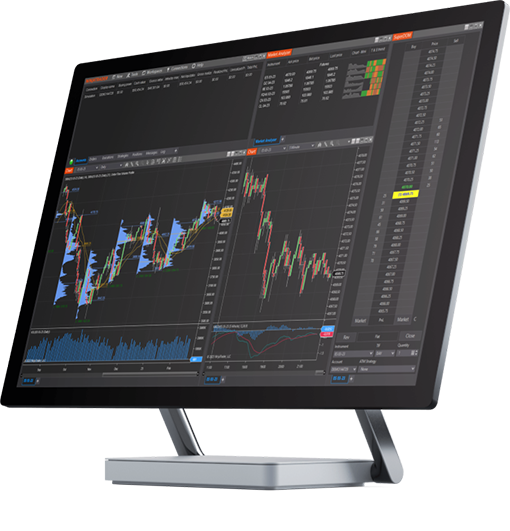
A futures contract, also known as a “future,” is an agreement to buy or sell an asset or security for a set price at a set date in the future. Futures allow traders to keep a finger on the pulse of various markets and potentially profit from making accurate estimations of how much an asset will be worth in the future.
With a lower initial investment than trading similar markets on Wall Street, the futures market can be a good fit for traders who want to trade in and out of positions intraday.
Define your risk management strategy to protect your futures account
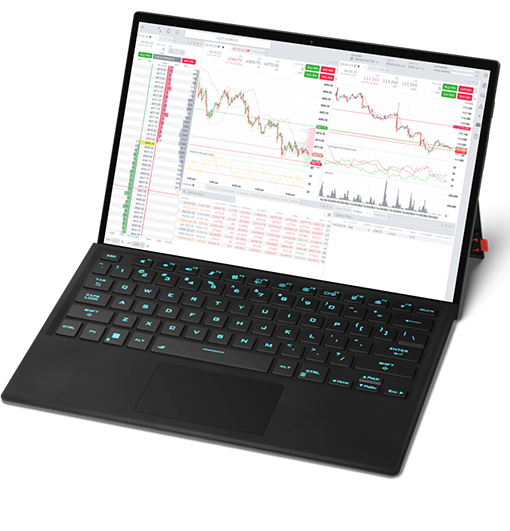
Effectively managing risk is often the difference between success and failure and can also help reduce stress when trading futures.
Determining how to trade futures without jeopardizing your lifestyle, savings or retirement means understanding considerations such as diversification and appropriate trade sizes.
It is also critical to keep up with the ever-changing market environment, which often is sensitive to news both big and small. Tools that empower you to predefine targets and stops to close out a position are just one example of risk management in action.
Discipline and patience impact your ability to follow a trading plan
Learn how to trade futures with industry pros
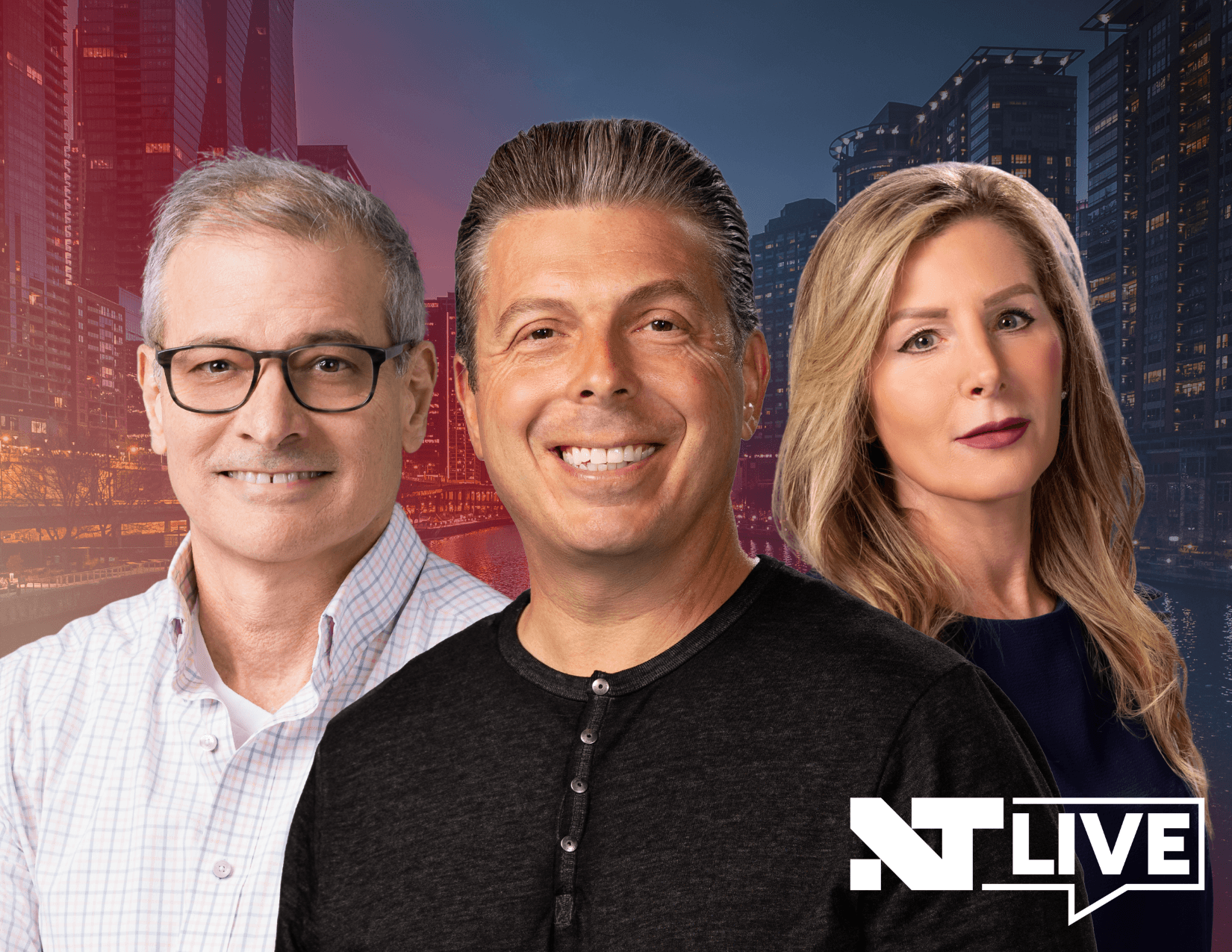
Join veteran futures trader Anthony Crudele, Senior Economist Tracy Shuchart, and Senior Market Strategist Jim Cagnina as they bridge macro insights with technical precision to uncover trading opportunities in real time.
Get expert analysis, live trade execution, and actionable insights—all in one place. Find your futures trading edge by tuning in to NinjaTrader Live.
Join us weekdays: 8:00 am – 12:00 pm ET | 2:30 pm – 4:00 pm ET (no livestream Friday afternoons) Sundays: 5:45 pm - 6:45 pm ET
Use NinjaTrader platform tools to target futures market opportunities
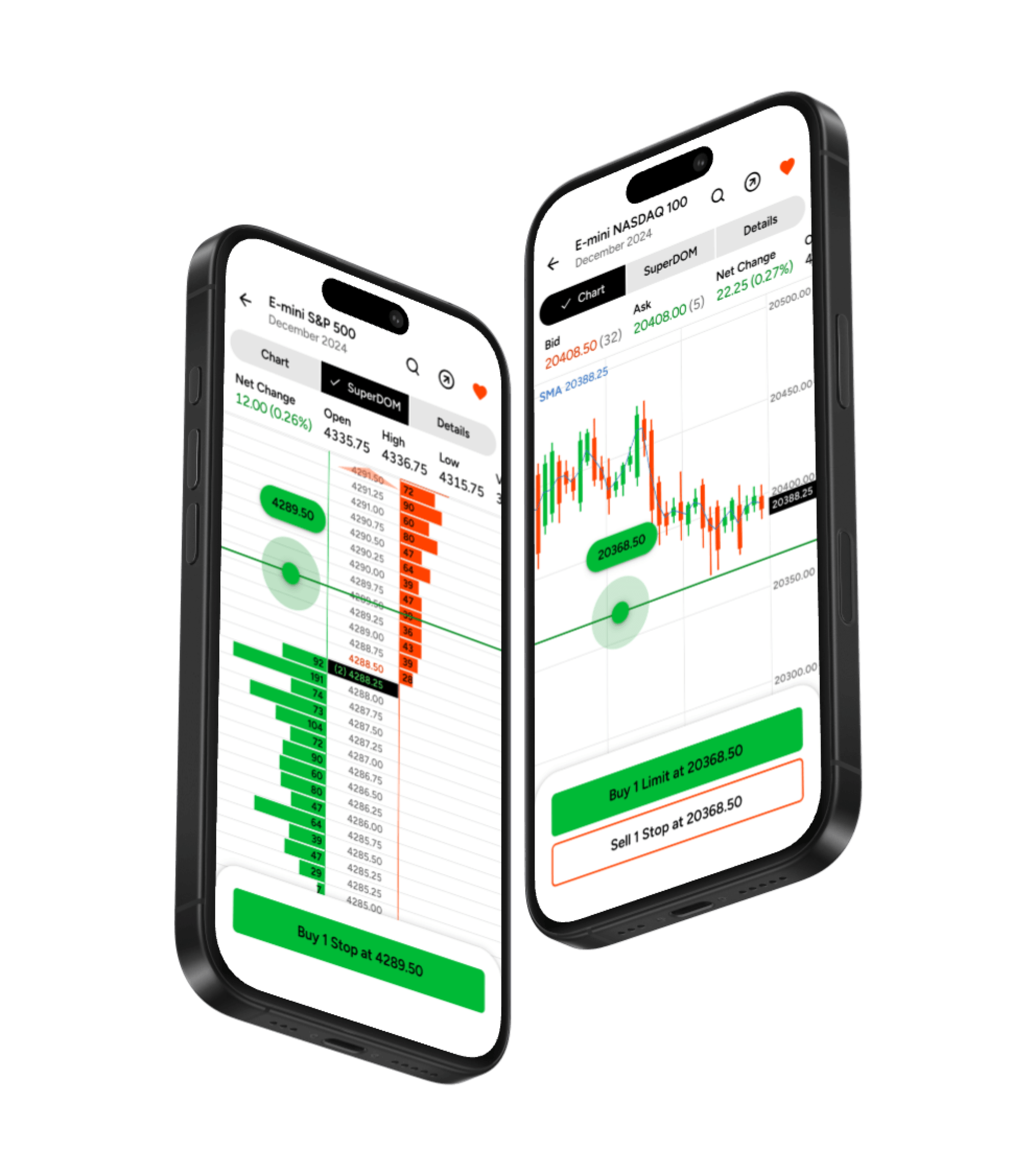
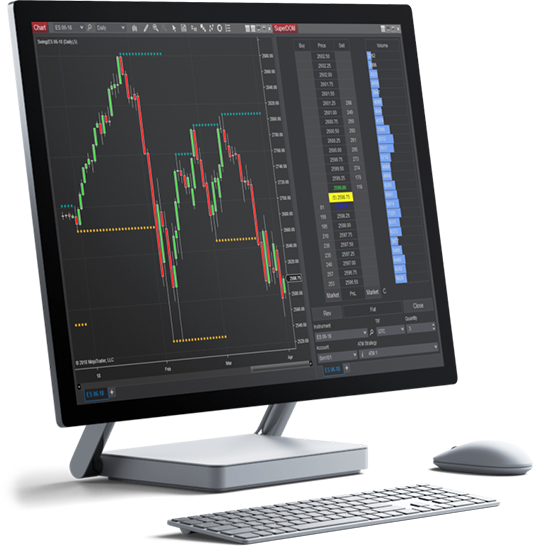
Our video library highlights steps to get started with the platform basics along with quick tips to customize your NinjaTrader platform to fit your trading style. Topics pertaining to how to trade futures include:
- Creating your first chart and using Chart Trader
- Opening and using the SuperDOM and understanding the ladder display
- Saving and loading personalized workspaces
See our guide on How to Read a Futures Trading Chart for a deeper dive into interpreting chart patterns and price action.
Best Brokerage for Trading Futures

NinjaTrader is recognized for our unique combination of a high-performance trading platform, discount pricing, and real-time support.
Download NinjaTrader's award-winning software for FREE and see why it's consistently voted an industry leader by the trading community. NinjaTrader is always free to use for advanced charting, backtesting and trade simulation.
Recognition
-

2026 Best Futures Broker
BrokerChooser Broker Awards
-

2024 Winner Best Trading Software
Stocks & Commodities Readers' Choice Award
-

2024 Excellence in Futures Education
Benzinga Global Fintech Awards
NinjaTrader was recognized as the “Best Futures Broker” by BrokerChooser for 2025 and 2026 and “Best Broker for Trading Micro Gold (MGC) Futures” for 2026. BrokerChooser determines the ratings based on evaluation and real-account testing of brokers and investment platforms. NinjaTrader paid no application fee to participate.
FAQs about learning to trade futures
How do I open a futures trading account?
Opening a futures account takes about 10 to 15 minutes online. You provide identifying information, employment and financial details (required for KYC/AML compliance), trading experience, and select your account type—individual, joint, retirement, or business. With NinjaTrader, there’s no minimum deposit* and approval typically arrives within one to two business days. Once approved, fund the account via ACH, debit card, or wire transfer to activate live trading.
*ACH and debit card transfers are subject to a $5.00 minimum.
What are the margin basics for futures trading?
Two margin types apply. Initial margin is the exchange-mandated minimum to open and hold a position overnight, set by CME Group or another exchange. Intraday (day-trading) margin is the lower amount offered by brokers like NinjaTrader for positions closed before the session close—starting at $50 per Micro E-mini contract. Margin is a good-faith deposit, not a fee; it secures your position and changes with volatility.
How do I choose which futures contract to trade?
Match the contract to your account size, trading style, and market interest. New traders typically start with Micro E-mini equity index futures (MES for S&P 500, MNQ for Nasdaq)—they’re highly liquid, $50 intraday margins, and one-tenth the dollar exposure of the standard E-mini contracts. Day traders favor liquid intraday markets like ES, NQ, CL (crude oil), and GC (gold). Swing traders often prefer contracts with smaller per-tick value to absorb wider stops.
Should I paper trade futures first before going live?
Yes—paper (simulated) trading is the standard first step for new futures traders. It lets you learn platform mechanics, test your trading plan, and experience real-time market behavior without risking capital. NinjaTrader’s free trading simulator runs the same order management, fill engine, and charting as live accounts, with live market data or replayed historical sessions. Most experienced traders recommend simulated trading until you produce consistent, plan-driven results over a meaningful sample of trades before going live.